


Wait, Are Business Cards Even Still a Thing?
Fair question. You’ve probably had this exact doubt before ordering a new box of cards: does anyone actually keep these anymore, or do they all end up in a jacket pocket for six months and then the trash?
Here’s the honest answer: paper cards aren’t dying, but the ones that get kept have gotten pickier about what earns a spot on someone’s desk.
A logo and a phone number isn’t enough anymore. People keep cards that give them a reason to remember the person, not just the company.
That’s the actual argument for a headshot on your card. Not tradition. Recall.
A Digital Wallet Full of Contacts Still Needs a Face
Digital business cards and QR codes have taken over a lot of the “here’s how to reach me” work paper cards used to do. That’s real, and it’s not going away.
But that shift changed what the paper card is for, not whether it’s worth having. When almost every exchange also happens digitally, the physical card someone actually pockets is doing one job: making you memorable enough that they open the digital follow-up at all. A name and a QR code they scan once and forget isn’t that. A face they recognize when your email lands three days later is.
What a Card Photo Has to Do in One Glance
You get one glance, maybe two seconds, before the card goes in a pocket or a drawer. In that window, the photo has exactly one job: make you look like someone worth a follow-up.
That rules out more than it seems like it should. A LinkedIn crop with someone else cut out of the frame. A phone selfie in a car. A five-year-old photo from before you changed your hair, your role, or fifteen pounds. None of those say “worth a follow-up.” They say “didn’t think about this.”
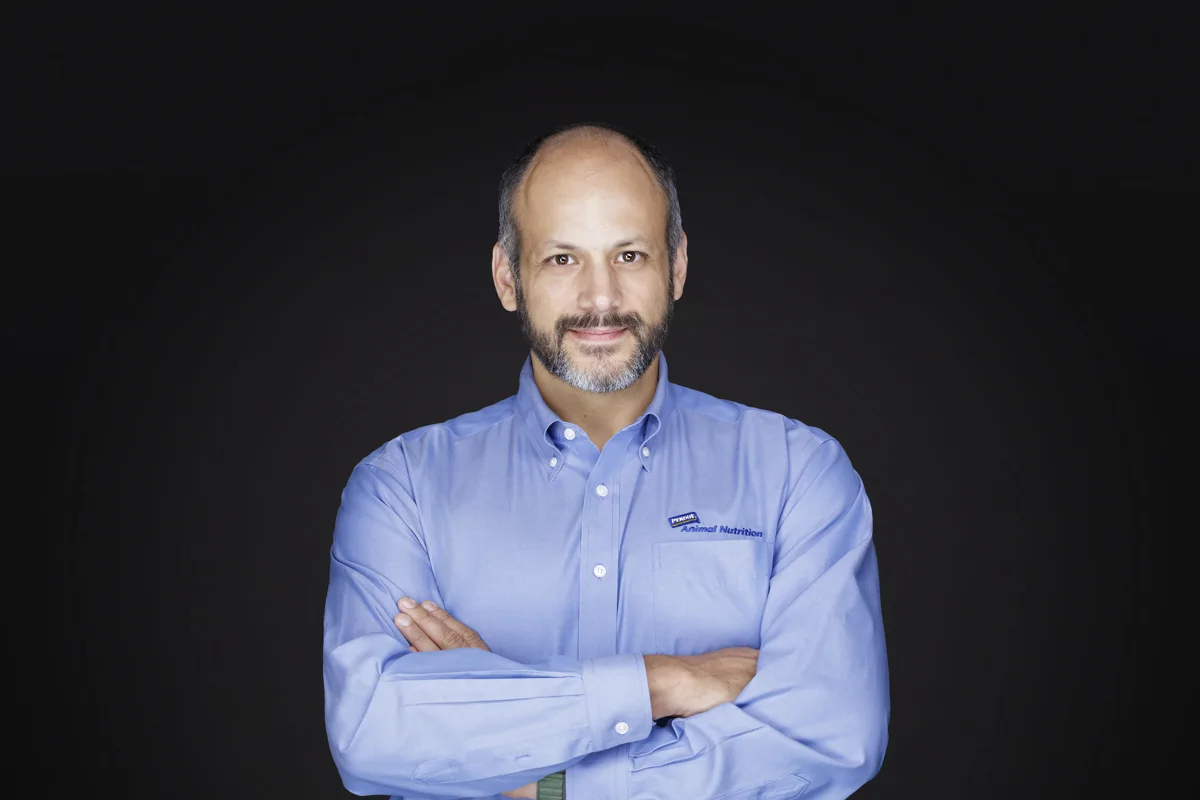
A photographer’s whole job in that two-second window is control: controlled light so your face doesn’t disappear into shadow at business-card size, a controlled background so nothing competes with you, and a real expression instead of a performed one.
Four Things That Actually Matter at Business-Card Size
Most headshot advice is written for a full-size web photo. A business card shrinks everything down to about two inches, and that changes what’s worth worrying about.
Simple over busy. Patterns, logos, and cluttered backgrounds all blur together at that size. Solid colors and a clean background hold up.
Contrast over subtlety. Soft, low-contrast lighting that looks great on a monitor can go flat and muddy printed small. Ask your photographer to shoot with print size in mind, not just web.
Centered and close. You don’t have room for a wide, artsy crop. A tight, centered, well-lit face is what actually reads at this scale.
Current, not flattering-but-old. A photo that doesn’t match how you look today undercuts the whole point the moment you meet someone in person.
When Your Card Doesn’t Need a Photo At All
Here’s the part most “always add a headshot” articles skip: sometimes it’s the wrong call.
If your card leads with a strong personal brand mark, or you’re in a field where the logo carries more trust than your face does, a photo can crowd a card that was working fine without one. And a photo you’re not confident in is worse than no photo — it undercuts the exact impression you’re trying to make.
The real question isn’t “should every business card have a headshot.” It’s “does a current, well-lit photo of me make someone more likely to remember me and follow up.” For most independent professionals, consultants, agents, and anyone whose face is part of the pitch, the answer is yes. For a card that’s really selling a company, not a person, it’s a closer call.
A Few Questions People Usually Ask
Worth the Ten Minutes
If you’ve been carrying the same headshot for years, or skipping the photo because your current one doesn’t feel right, that’s worth fixing before your next print run, not after.
It doesn’t need to be a production. One session gets you a photo that actually earns its two seconds.
See Headshot Pricing