

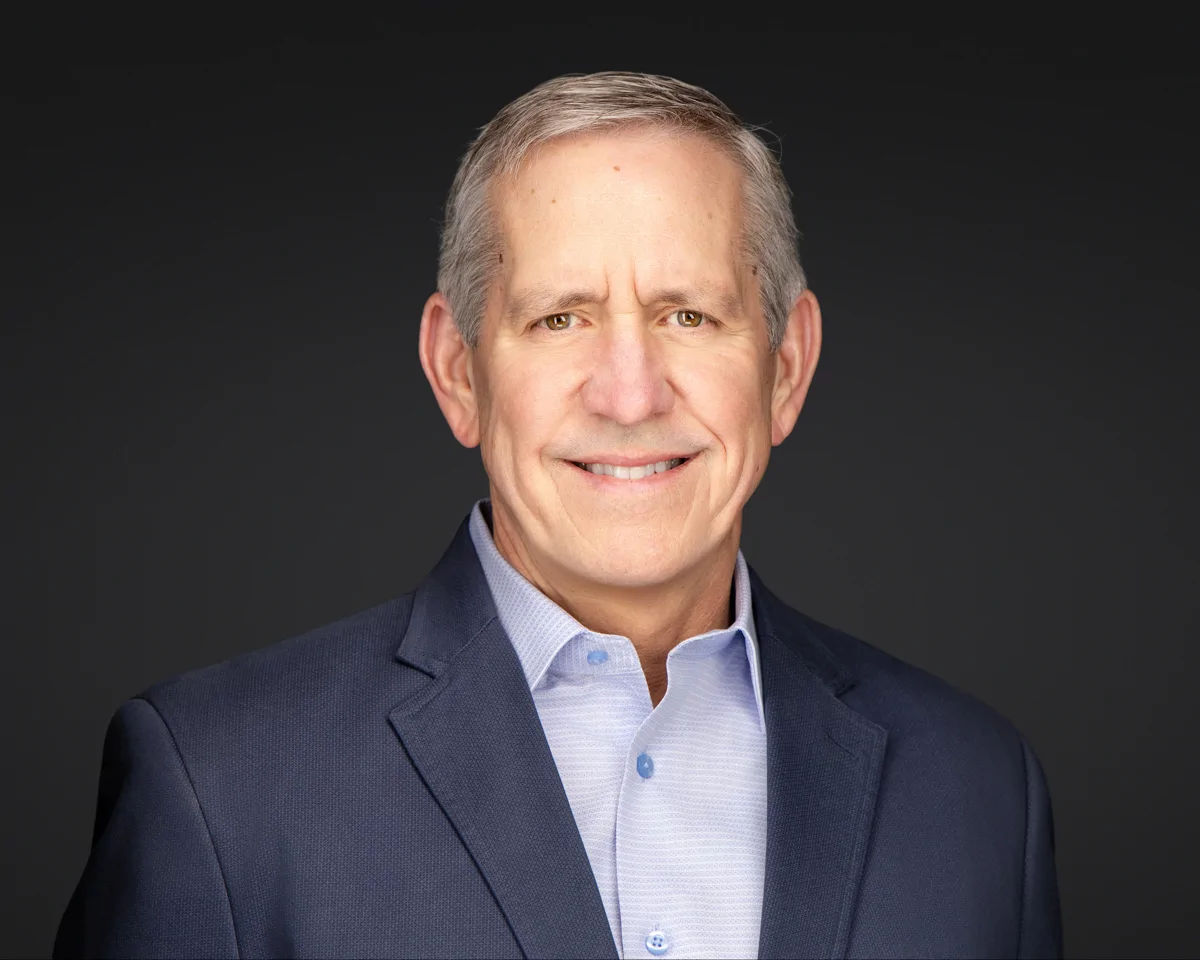
Nobody looks at their headshot and thinks, “that’s exactly how I want people to see me.” After 40, that gap gets bigger, and it happens to a lot of people. You’ve earned the corner office, the board seat, the client’s trust. But your photo still looks like it’s applying for an entry level job. Good news: there’s a headshot style that fixes that. It’s not about looking younger. It’s about looking like the person who actually runs things.
Key Takeaways
- Classic Executive: timeless colors, plain background. Best for board bios and press.
- Modern Corporate: fresh settings, built to be seen on a screen. Best for LinkedIn and your company site.
- Casual Executive: polished but relaxed. Best for speaking gigs, founder content, and personal brand.
- Pick your style based on where the photo lives, not which one feels “safest.”
Why Your Headshot Matters More After 40
At this stage, your photo isn’t introducing you. It’s confirming what people already think. A search of your name, a LinkedIn click, a bio next to your name on a panel: the photo either backs up “seasoned leader” or quietly works against it. Two things do most of the work: lighting and expression. Lighting sets the mood. Dramatic split light reads as authority. Soft light reads as approachable wisdom. Loop lighting flatters without trying too hard. Expression carries the rest. Not a smile. A look. The small settle around the eyes that says, I’ve done this before, and I’m still good at it.
Done right, a portrait that shows your age doesn’t hide the years. It puts them to work. Done wrong, it either tries too hard to look “hip,” or plays it so safe it looks stuck in 2009. The three styles below solve that in three different ways, for three different jobs your headshot has to do.
Style 1: Classic Executive: For the Board Bio and the Annual Report
This is the photo that has to age well for a decade. Deep, traditional colors like navy, burgundy, and forest green. A plain background that puts you, not the set, in charge of the frame. Lighting stays soft and controlled, with just enough shadow to show the shape of your face. Nothing trendy, nothing dated. Just you, clearly in charge.

Best for: board decks, investor materials, press bios, and anywhere your photo needs to still look right in five years.
Style 2: Modern Corporate: For LinkedIn and Your Company Site
This style is built for a screen, not a wall. Backgrounds move past the plain office. Think clean architectural spaces, natural light, settings that hint at the industry you work in. It’s shot to hold up as a small, sharp thumbnail: on a phone, in a search result, next to twenty other headshots in a directory. This is the version of you that gets clicked on.
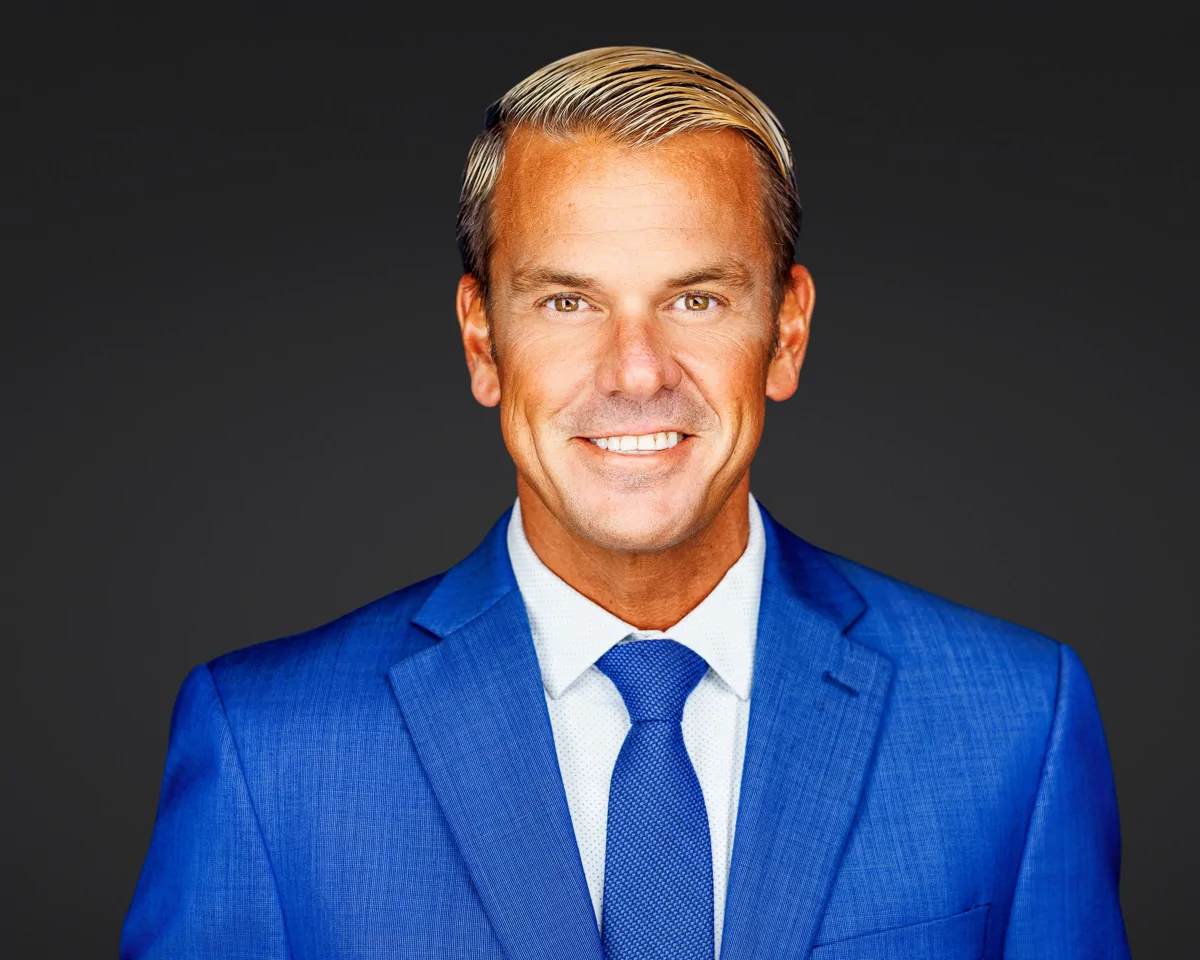
Best for: LinkedIn, your bio page, press coverage, and anywhere you’re competing for attention next to a lot of other people.
Style 3: Casual Executive: For Speaking, Founder Content, and Your Personal Brand
The most approachable of the three, and the easiest to get wrong. A blazer over a clean shirt, no tie, maybe jeans. Polished, not sloppy. Shot somewhere lived in, like a home office, a favorite coffee shop, or outside. The goal isn’t relaxed just for the sake of it. It’s credible and human at the same time: the photo that makes someone feel like they could actually get you on the phone.

Best for: podcast and speaker pages, personal branding content, and anywhere you’re selling trust in you, not the company behind you.
Which One Is Yours?
You don’t have to pick just one. Most executives end up with two: a Classic shot for the official materials, and a Modern or Casual shot for everywhere people actually meet you online. Don’t pick based on what feels “safe.” Pick based on where the photo is going to live, and let it do its job there.
Ready to see which style fits how people already see you, or how you want them to? Book your executive portrait session and we’ll help you decide before the camera ever comes out.