


A headshot
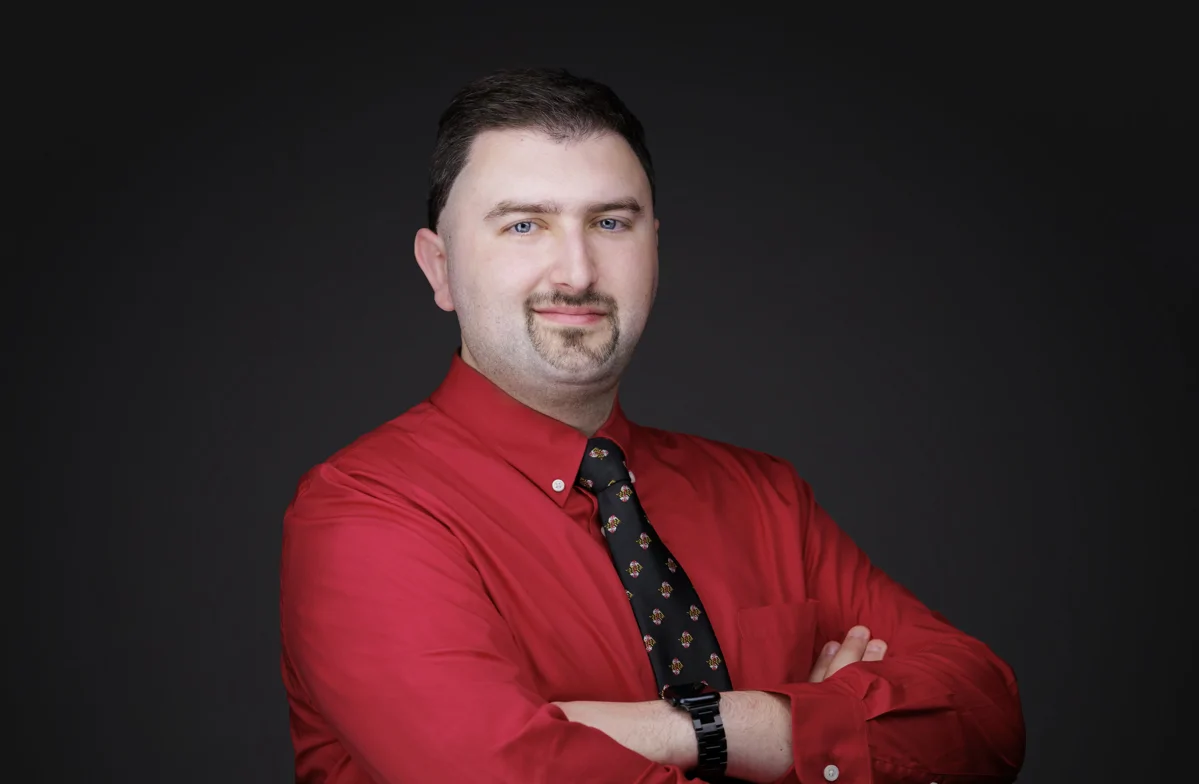
A portrait
Most executive photos never get told where they’re going to hang. This one did.
You can always tell the difference. A cropped, camera-ready face jammed into a frame after the fact looks like exactly that. A portrait built for the wall it’s going to live on looks like it belongs there.
Most sessions rush you through in five minutes. No real direction, no real thought about where the photo ends up. You get handed a file and sent on your way. That’s fine for some things. It’s not fine for a portrait that’s going to sit on a leadership page, in a report, or on a wall for years.
We build our executive sessions the other way around. We start with where the photo is going, then work backward to the session itself.
Understanding the Importance of Headshots
A headshot is a fast decision. Someone looks at it for two seconds and decides something about you before you ever speak. That’s true whether it’s on your company site, a conference program, or an investor deck.
Most people never think about that until their photo stops matching where they are now. A new title. A press mention. A rebrand. Suddenly the old photo doesn’t hold up, and everyone can tell.
It’s also not just you looking at it. Everyone on a leadership page gets compared to everyone else on it, whether that’s fair or not. One outdated or rushed photo next to a row of current ones is easy to spot, and it’s usually the one people remember.
"I reached out to Eric for a current headshot for a professional conference. I found that recent photos of myself didn't match the image of myself that I had in my mind." — Richard Cunard
Choosing the Right Photographer
Most photographer searches turn into a scroll through portfolios that all kind of look the same. Good lighting, decent smile, done. That’s not really what you’re choosing between.
What matters is whether the photographer asks where the photo is going before they ever pick up a camera. Some plan the whole session around that answer. Others just show up and start shooting.
That one thing, asked or not asked, tells you whether you’ll get a portrait built for its use, or just a face that happens to be in focus.
Preparing for the Headshot Session
Before the camera comes out, we talk. A private consultation covers where the photos are going, what you need them to do, and what you want to avoid. If discretion matters, an NDA is ready before the session starts. No surprises later.
That conversation is what keeps you from showing up and hoping the photographer figures out what you need on the spot.
Effective Pose Techniques
You don’t have to guess how you’re coming across. During the session, you see the shots as they’re taken. If something’s off, an angle, an expression, we fix it right there instead of finding out weeks later.
That one change makes the biggest difference for most people. You leave knowing the photos are right, not hoping they turned out.
Dressing Appropriately for Headshots
What you wear should match where the photo is going to show up. A photo for an investor deck reads different than one for a conference bio, even in the same studio on the same day.
We talk through that before the session, not during it, as part of the consultation. Solid colors, real fit, nothing that fights for attention against your face. It’s a small step, but it gets skipped a lot in a rushed session, and it shows in the photo.
Selecting the Perfect Background
A background isn’t just what’s behind you. It sets the tone before anyone reads a word about you.
We pick it on purpose, based on where the photo is going and who’s going to see it. Not a default gray backdrop because that’s what was already set up. If your headshot needs to sit next to your team’s on a leadership page, the background should match theirs. If it’s standing alone on a press bio, it can carry more of the tone by itself.
Optimal Lighting for Quality Headshots
Good lighting doesn’t announce itself. You just look like yourself, on a good day, without harsh shadows or a flat, washed-out look.
That takes real setup, not a ring light and a hope. The lighting gets adjusted for how the final photo will actually be used, print looks different than screen, and a piece meant for a 24x36 framed canvas needs a different setup than a small web thumbnail.
Image Retouching and Editing
The standard here is simple. You should look like you, not a smoothed-out version of you. Skin cleanup, a stray hair, small distractions, that’s the scope. Nothing that changes how you actually look.
If you want the exact scope in writing before we start, just ask.
Consistency in Branding and Headshots
Here’s what you actually walk away with. A 24x36 archival canvas, framed, built for a wall in your office or your home. And separately, a full set of digital files for your website, LinkedIn, and anything your team needs for press. Standard turnaround is a few business days. If you’re working toward a deadline, tell us upfront and we’ll build the schedule around it.
Want to see how this looks for someone in your position? See what an executive portrait session includes.
Five years from now, that’s still the photo on the leadership page. Still the one on the wall. No scramble to redo it because a new role or a rebrand caught up with an old photo.
If that’s the kind of session you’re looking for, take a look at what an executive portrait session actually includes.