

The Squinch
One small eye adjustment that's the difference between "deer in the headlights" and genuinely confident.
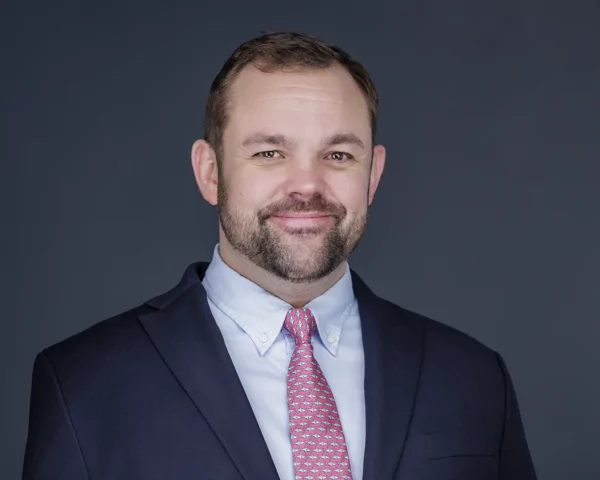
Almost everyone does the same thing the second a camera points at them: their eyes go wide. It's not a flaw, it's just a reflex. Unfamiliar lights and a lens pointed at your face read as a small threat to your nervous system, and wide eyes are the automatic result. The problem is that on camera, wide eyes read as nervous or startled, not confident.
Not a squint, a squinch
For years, photographers told people to squint their way out of it. That doesn't work either. A real squint closes both eyelids down evenly and your eyes basically disappear. What actually fixes it is narrower: just a slight lift of your lower eyelid toward your pupil, while your upper eyelid barely moves at all. There's a name for this in the photography world - the squinch - because it's one of the most reliable fixes there is. It works.
Why it matters for your headshot
That small lift in your lower lid is what your brain reads as focus and self-possession, instead of surprise. Pair it with a relaxed mouth or the faintest hint of a smile, and you get a look that's engaged and approachable at the same time, not aggressive or intense. It'll feel small and a little strange the first few times - that's normal. If it feels a little odd, you're probably doing it right. Overdo it and you'll just look squinty. Ease into it, small and subtle, and it does the work without you having to think about your face at all.